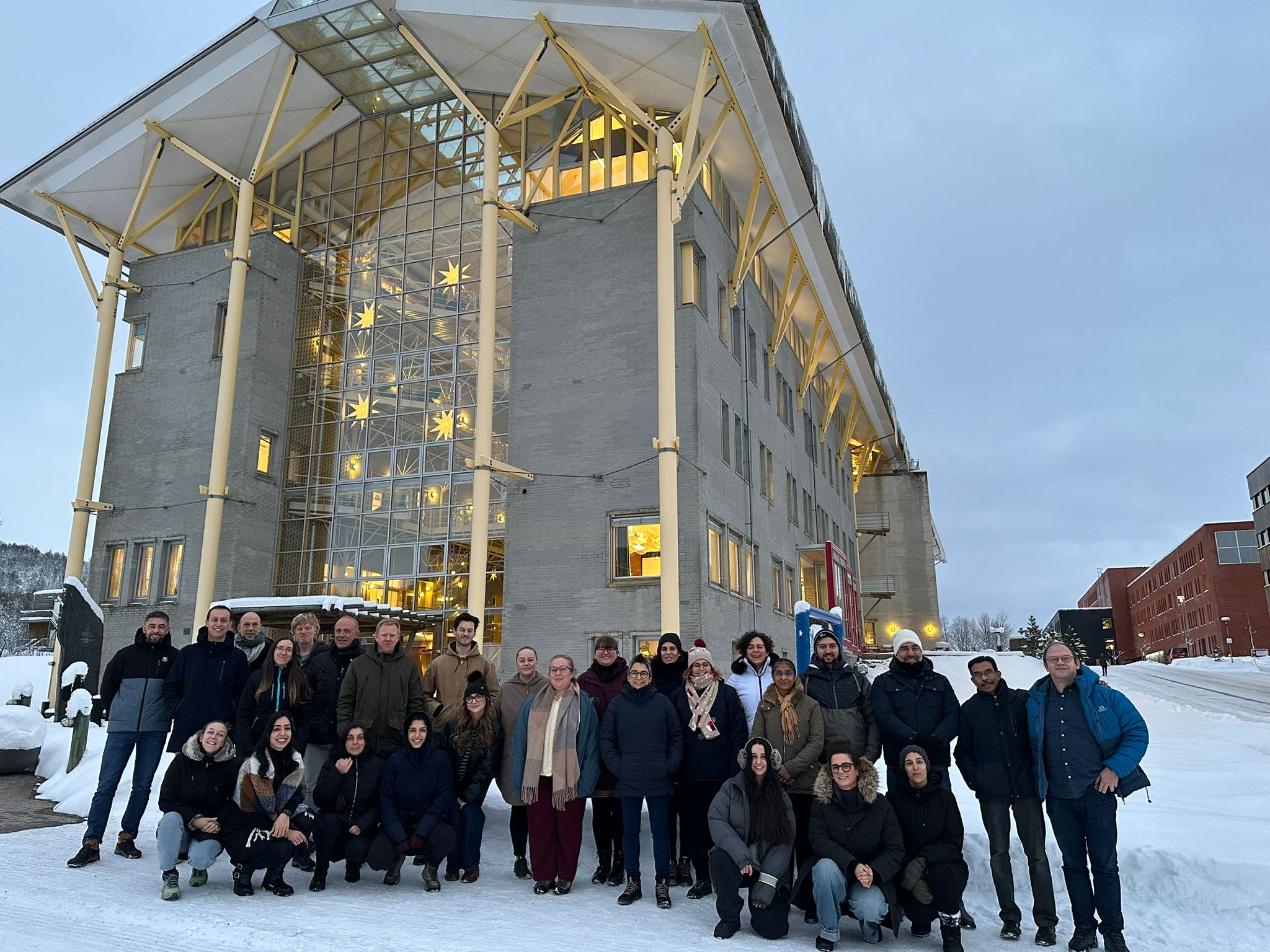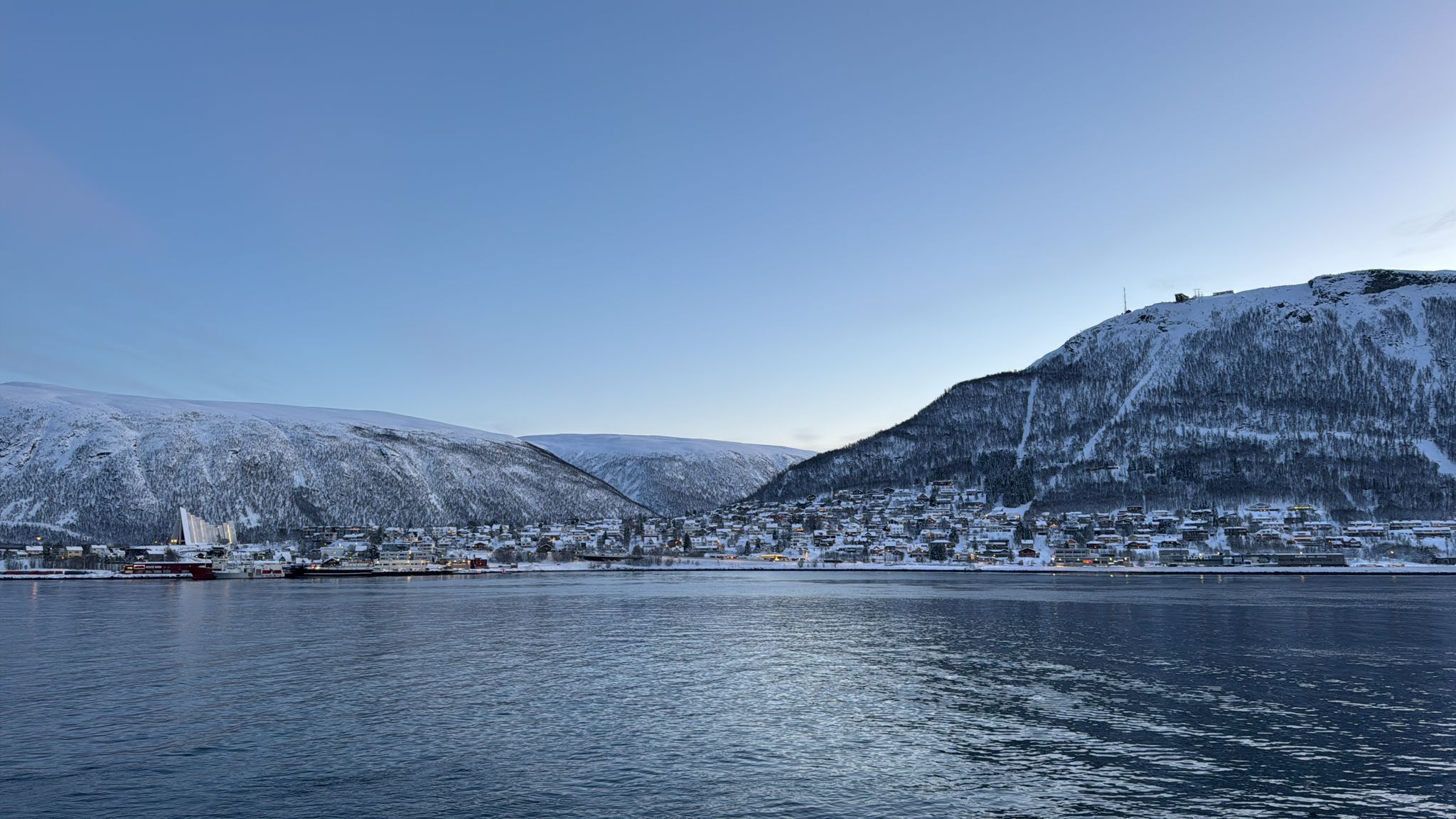
The IGNITION consortium gathered on 4–5 December for its 6th Progress Meeting, hosted by project partner UiT The Arctic University of Norway in Tromsø. Travelling to the “top of the world,” partners met for two intensive days of data exchange, planning, and cross-WP collaboration.
The meeting opened with updates from the coordinator on project reporting and management, followed by a focused session on risk assessment and mitigation to guide the next project stages.
Partners presented the latest results from stress experiments, bioactive-enriched diets, and new physiological and molecular indicators. A consistent finding emerged across trials: fish fed diets supplemented with halophyte-derived bioactives show improved resilience to temperature and handling stress, reinforcing IGNITION’s central hypothesis that sustainable bioactives can strengthen animal welfare in aquaculture. Similarly, shrimp exposed to chronic stress and fed extract-enriched diets showed significantly better performance, further supporting the potential of these bioactives to enhance robustness across multiple farmed species.
Significant progress was also shared on machine vision (MV) models applied to both shrimp and fish. New datasets comparing real and MV-modelled behaviour confirmed that MV systems can detect operational welfare indicators (OWIs) with high accuracy. In shrimp, stress was associated with reduced body straightness, increased body curvature, higher swim speed, and more frequent turning or agitation—patterns clearly captured in MV data frames. The consortium also examined applications of MV to monitor “black loss”, a recurring problem in aquaculture where animals disappear due to cannibalism, predation, or escape. IGNITION’s latest findings show that MV can support black-loss detection, although crowded commercial-scale tanks require adjustments such as colour-based background subtraction to reliably distinguish animals from the environment.
A major scientific advance came from the application of Multiomics Factor Analysis (MOFA) to proteomic, physiological, transcriptomic, and microRNA datasets collected before and after temperature and transportation stress.
The analysis revealed a set of common stress-responsive markers detectable in fish mucus, opening the door to non-invasive welfare monitoring based on multi-layered biomarker signatures.
Progress continues on the development of non-invasive biosensing platforms that integrate IGNITION’s novel biomarkers. The team is optimising linker chemistry and antibody concentrations to ensure accurate detection while minimising disturbance to the animal. In parallel, IGNITION scientists are developing innovative shark-derived antibodies. These antibodies have the smallest known antigen-binding domains in the animal kingdom, are highly specific, and can be genetically engineered—making them promising tools for next-generation aquaculture biosensors.
Updates were also presented on the heritability of traits relevant to climate resilience. Work conducted on clams so far indicates the presence of genetic signatures linked to improved tolerance to heatwaves and parasite infections. This suggests that resilience could potentially be enhanced through selective breeding in future generations.
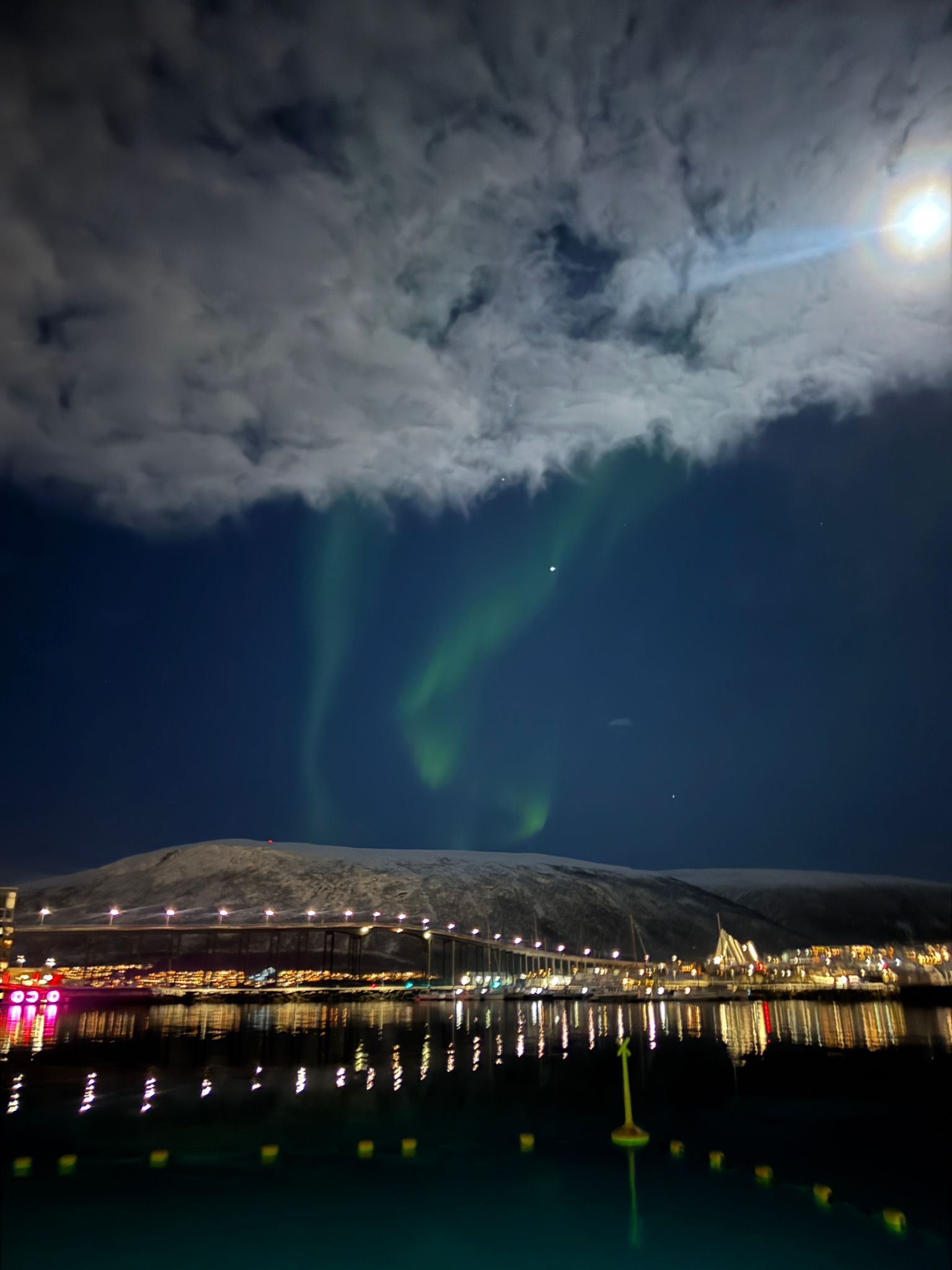
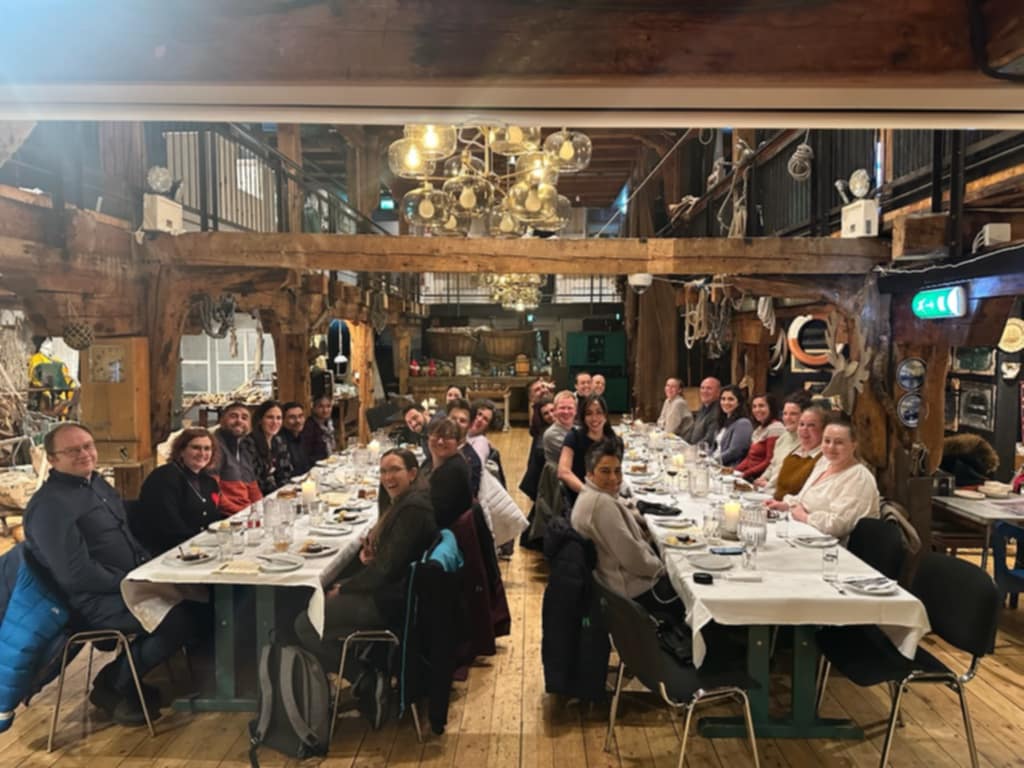
Despite the full agenda, there was still time for partners to enjoy a consortium dinner and for a memorable glimpse of the northern lights and Arctic landscape—a trully unforgettable backdrop of the meeting.
From multiomics biomarkers to machine vision and bioactive diets, the meeting reaffirmed IGNITION’s momentum in developing science-driven, welfare-focused innovations for sustainable aquaculture.