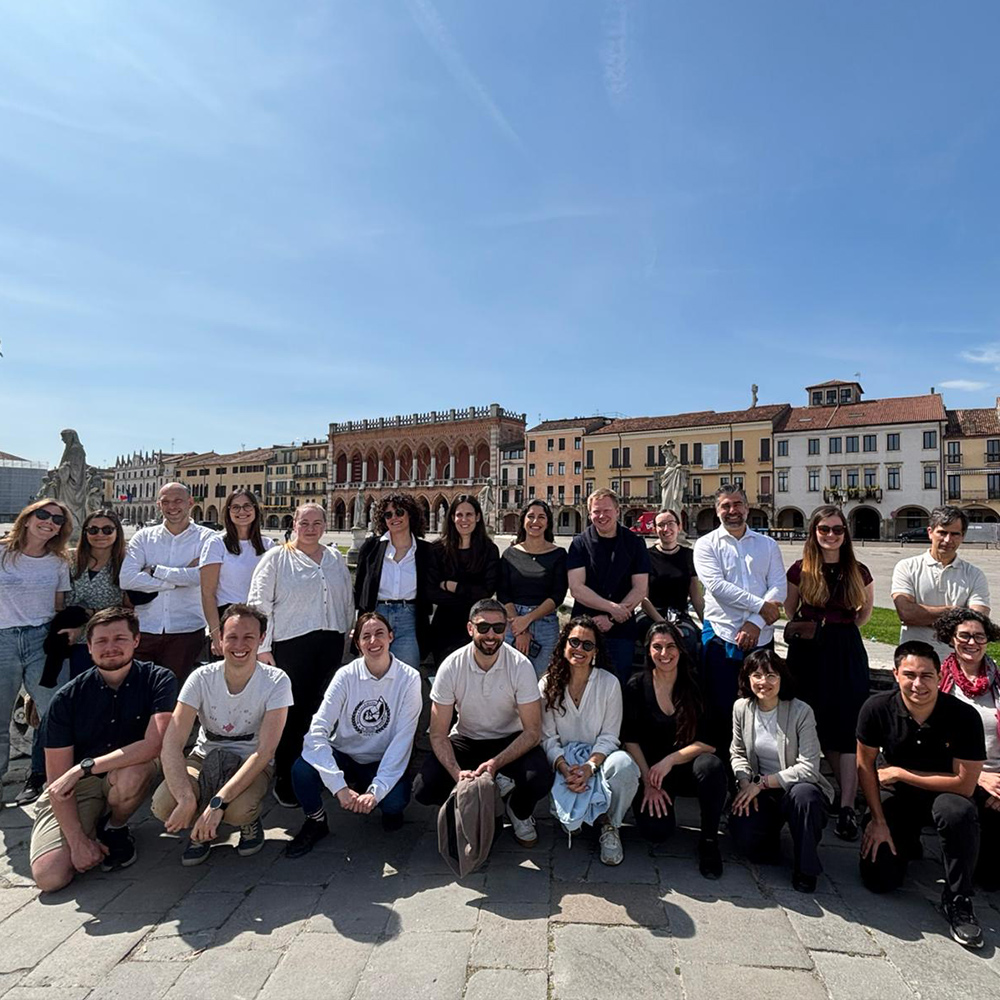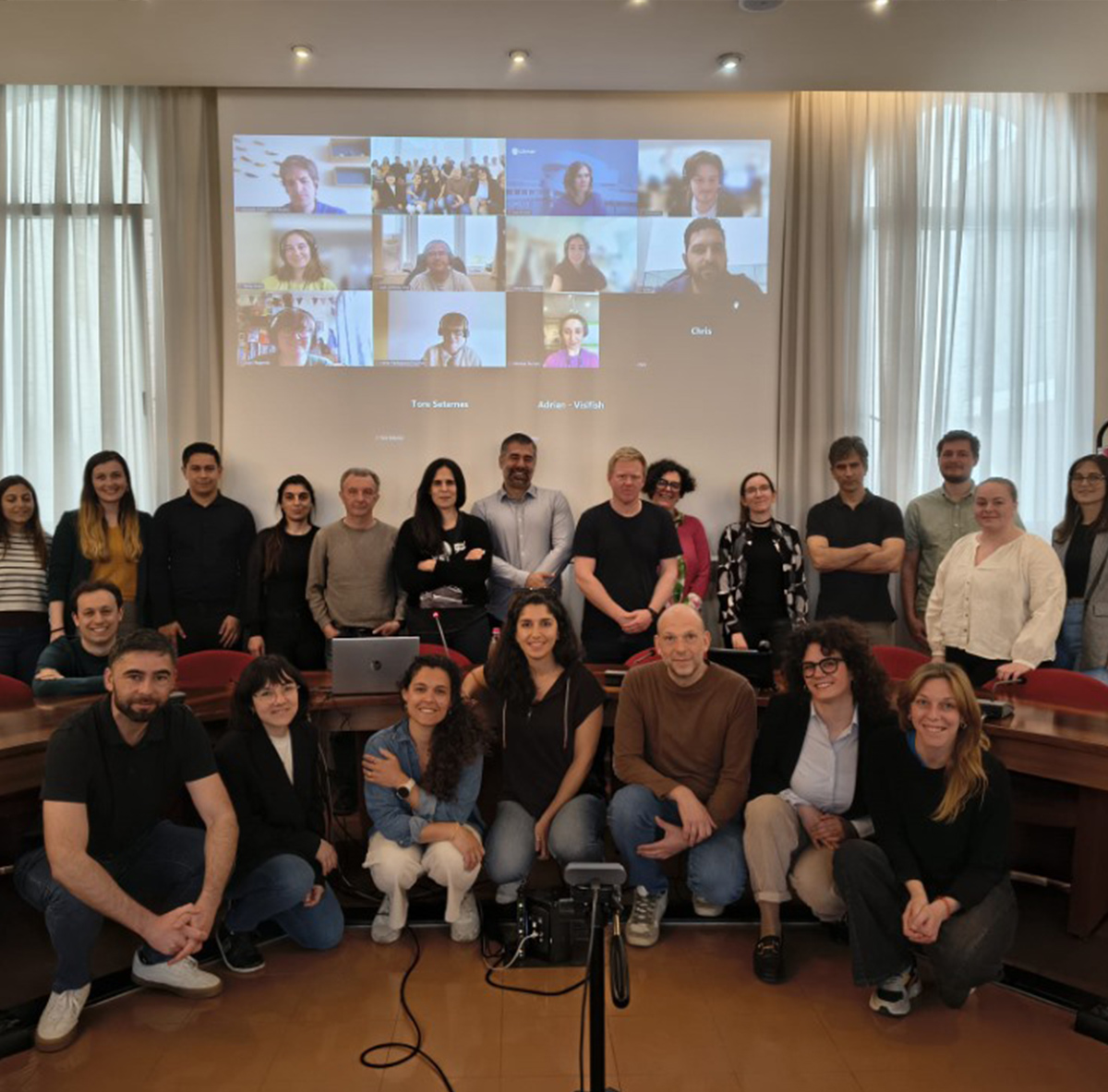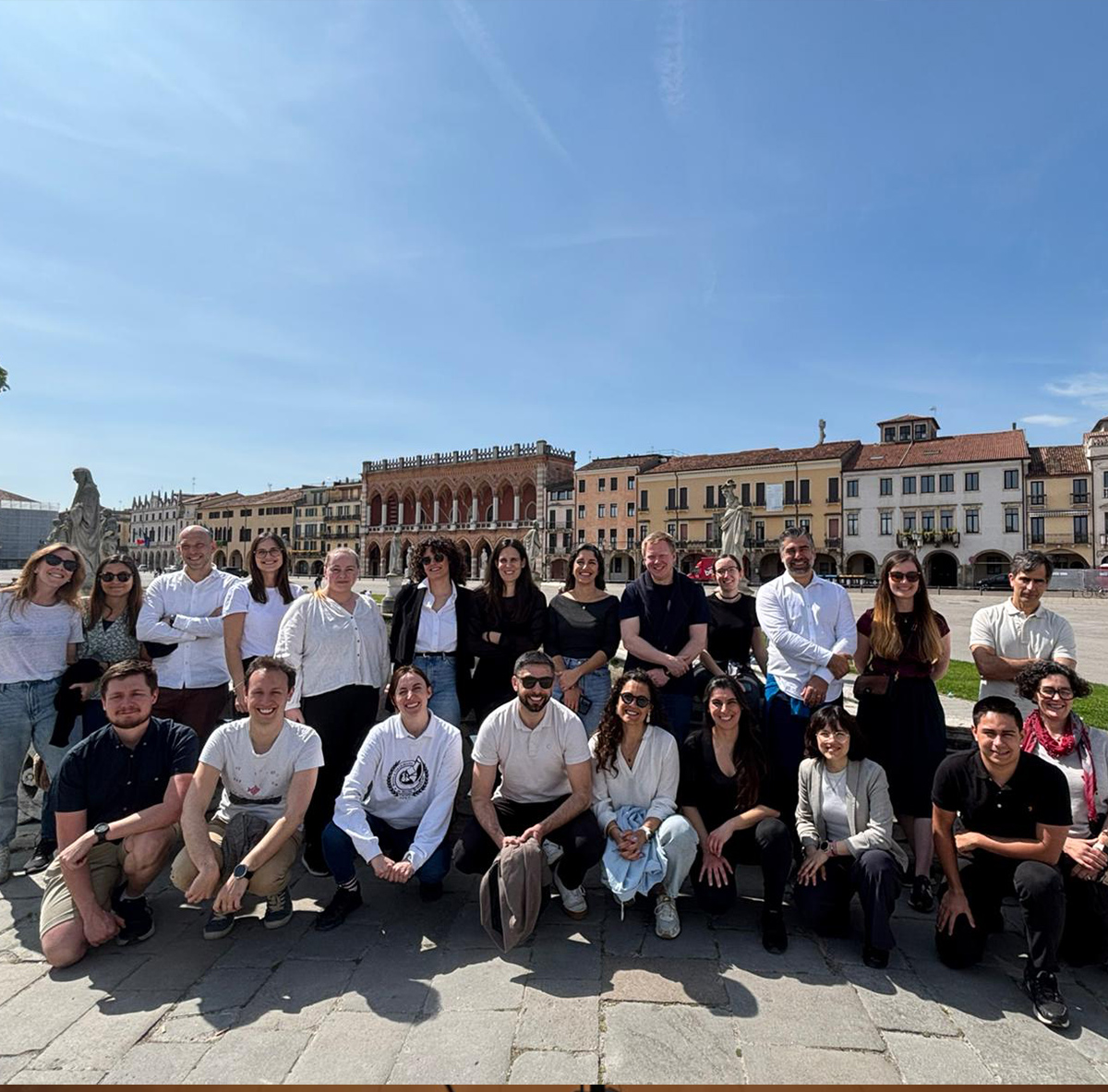
On 9 and 10 April, the IGNITION consortium gathered in Padova for its 42-month progress meeting, bringing together 21 participants in person and 15 online for two days of discussion, coordination and planning.
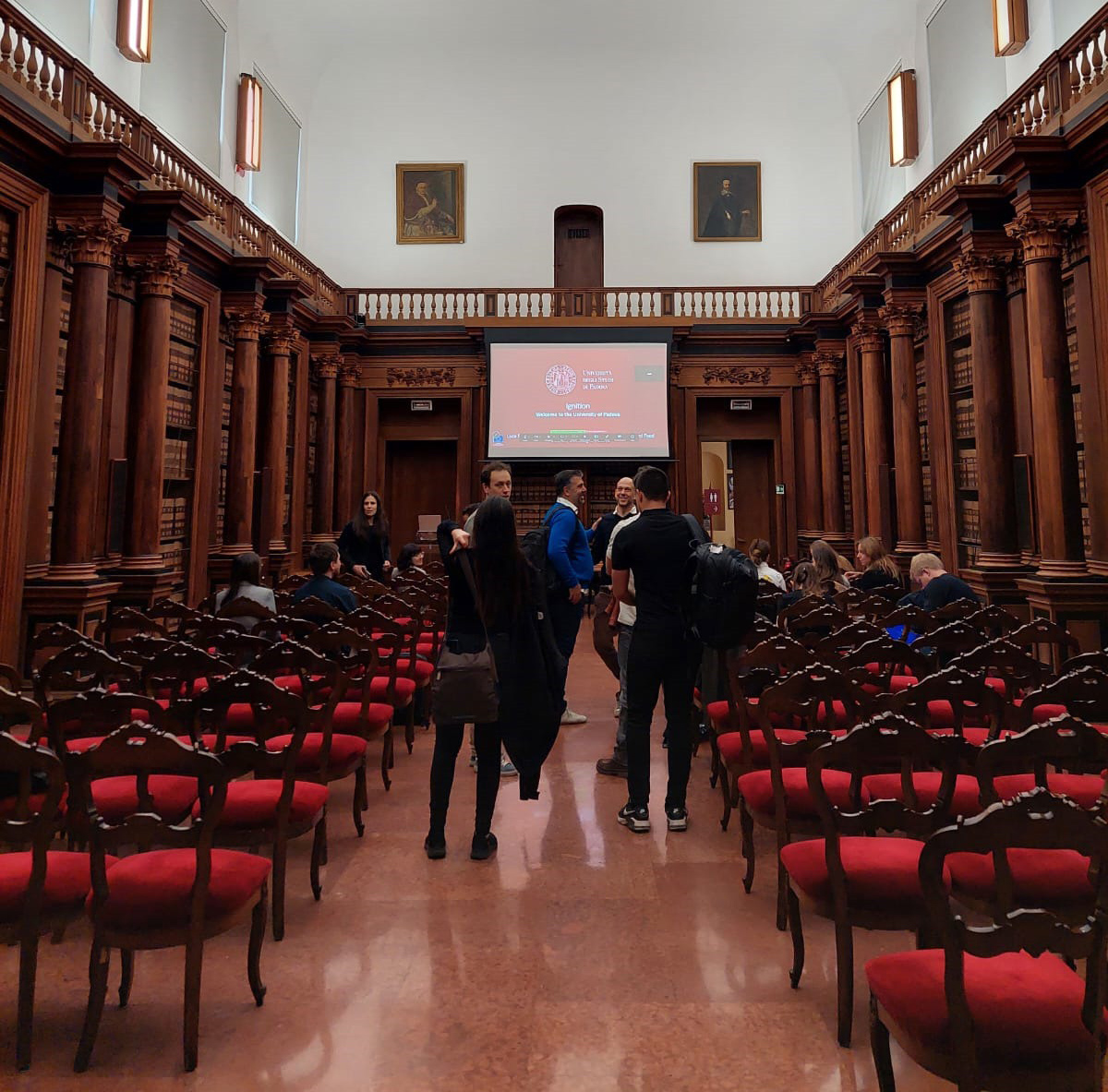
Hosted across two venues in the city (Palazzo Bo, Archivio Antico on the first day and Aula Canova, Palazzo Storione on the second), the meeting provided an important opportunity to review progress across the project, strengthen collaboration between work packages, and align priorities for the months ahead.
A visit to Palazzo Bo, the historic seat of the University of Padova and one of the city’s most emblematic academic buildings, was included in the programme adding a strong sense of heritage to the event.
Across the meeting, partners exchanged updates on scientific and technical progress, explored links between work packages, and discussed the next steps needed to maximise project impact. While the agenda evolved during the meeting to better suit the discussions, all core areas of the project were addressed.
A key point of discussion was the project’s direction following the second reporting period and the feedback received from the European Commission, particularly the importance of further detailing exploitation pathways, intensifying knowledge transfer to aquaculture industry stakeholders, and strengthening communication towards the public, particularly by better integrating the One Health dimension and the project’s contribution to improving consumer perception of aquaculture.
Partners presented new results on the use of bioactive-enriched diets to improve responses to temperature-induced chronic stress, alongside progress in the production of probiotic protein-enriched feeds.
Further updates highlighted the protective effects of halophyte bioactives, reflected in improved fish survival, as well as specific antibody responses following the oral administration of OMVs, together with encouraging results on the reproducibility and protein composition of OMV platforms.
Progress has also been made on the use of machine vision to detect black loss in fish and shrimp cages, as well as on the identification of non-invasive biomarkers of fish welfare. In shellfish, eight possible markers linked to marine heatwave resistance in clams, as well as potential resistance-associated phenotypes characterised through CT scanning, were identified. Beyond the experimental work, the consortium is also stepping up sector-facing outreach through the production of fact sheets for the industry, EAStalk podcasts, and publishing articles in EAS magazine, while upcoming participation in GIA, ISFNF, MHA and EAS2026 will help bring project results closer to industry audiences, sharpen future uptake routes, and communicate more clearly the project’s wider relevance for sustainable aquaculture, animal health and public trust.
With a clear view of both achievements and upcoming priorities, the consortium now moves forward with renewed focus for the months ahead.